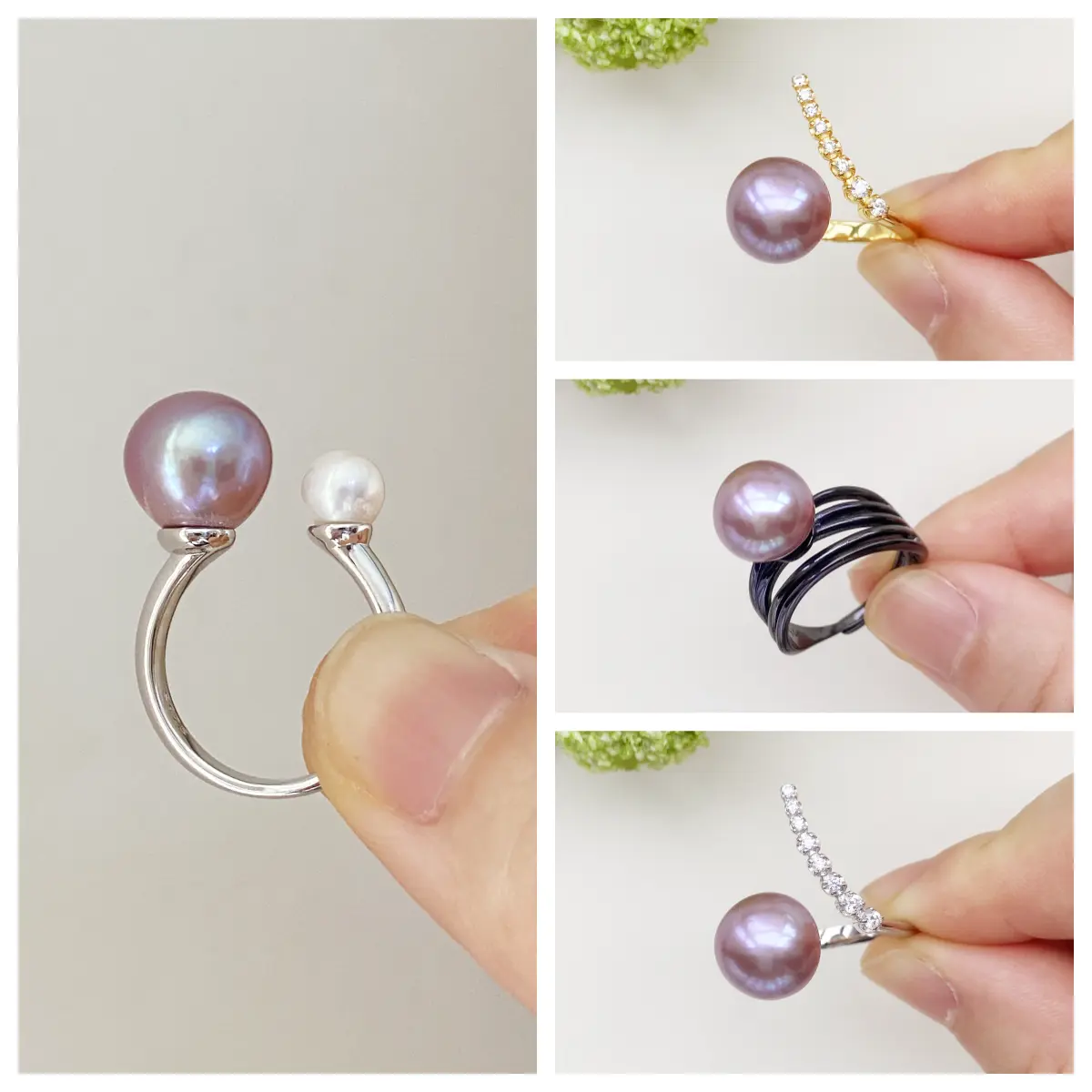
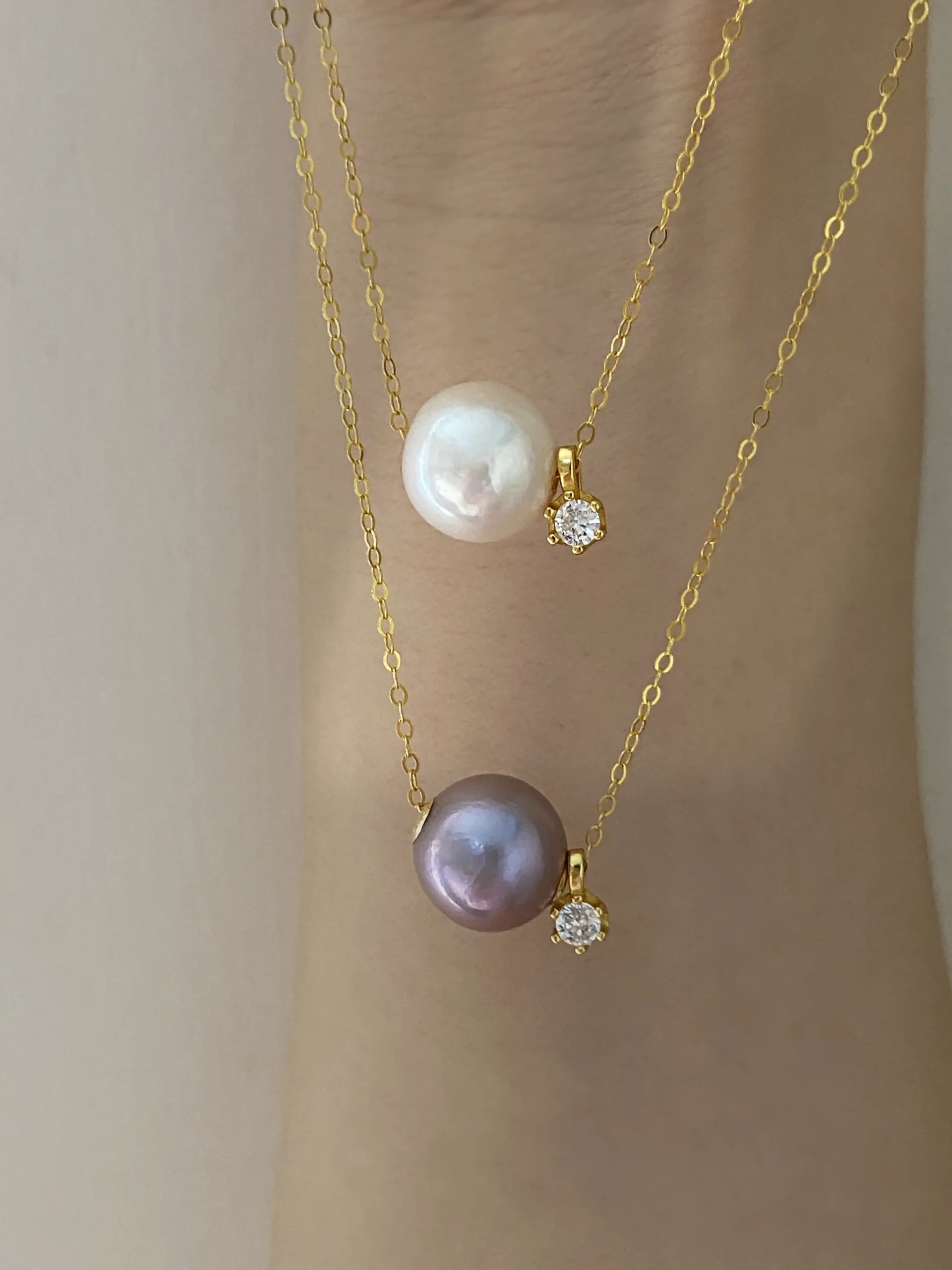
For decades, large, perfectly round pearls were considered the domain of saltwater species such as South Sea pearls and Tahitian pearls.
Then came the Edison pearl. So what is an Edison pearl?
Developed through more than 1,000 experiments and over ¥100 million in research investment, Edison pearls represent China’s breakthrough in bead-nucleated freshwater pearl cultivation. They successfully filled a long-standing gap in the market: producing large, near-round pearls in the 10–20 mm range while maintaining exceptionally thick nacre.
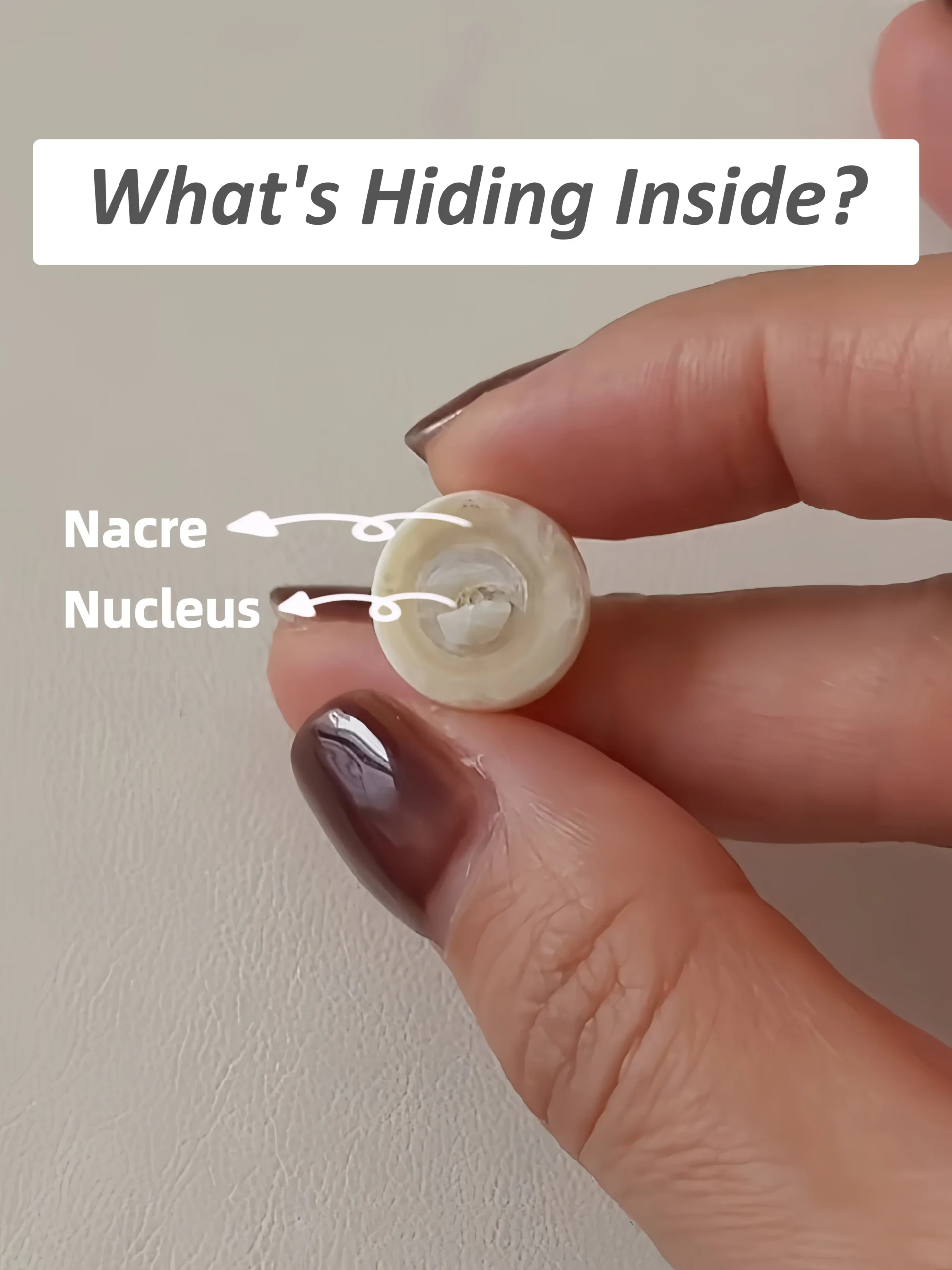
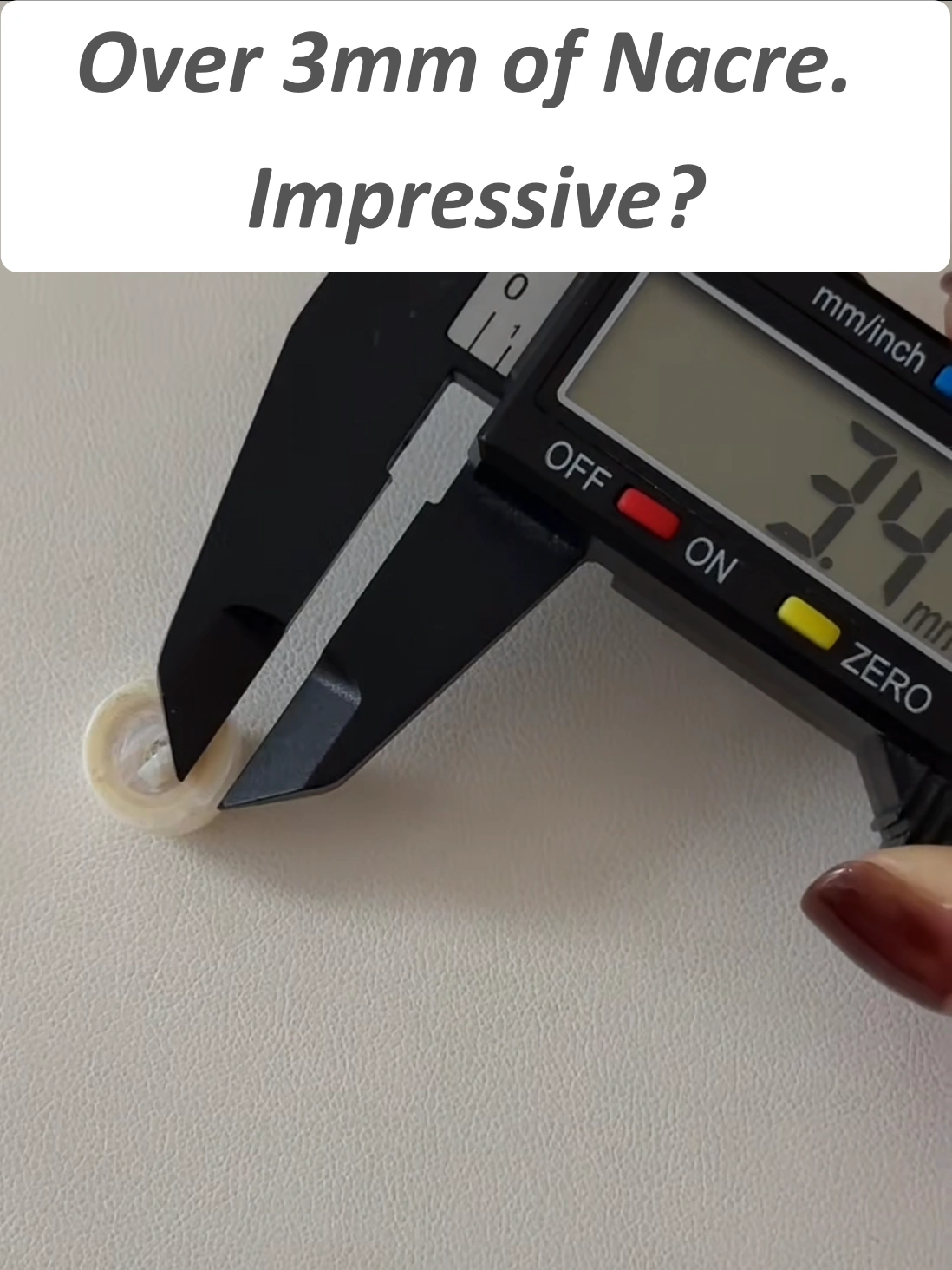
Unlike many cultured pearls whose nacre may measure less than a millimeter, Edison pearls can develop nacre thicknesses ranging from 3 mm to over 10 mm, placing them among the thickest-nacred cultured pearls in the world.
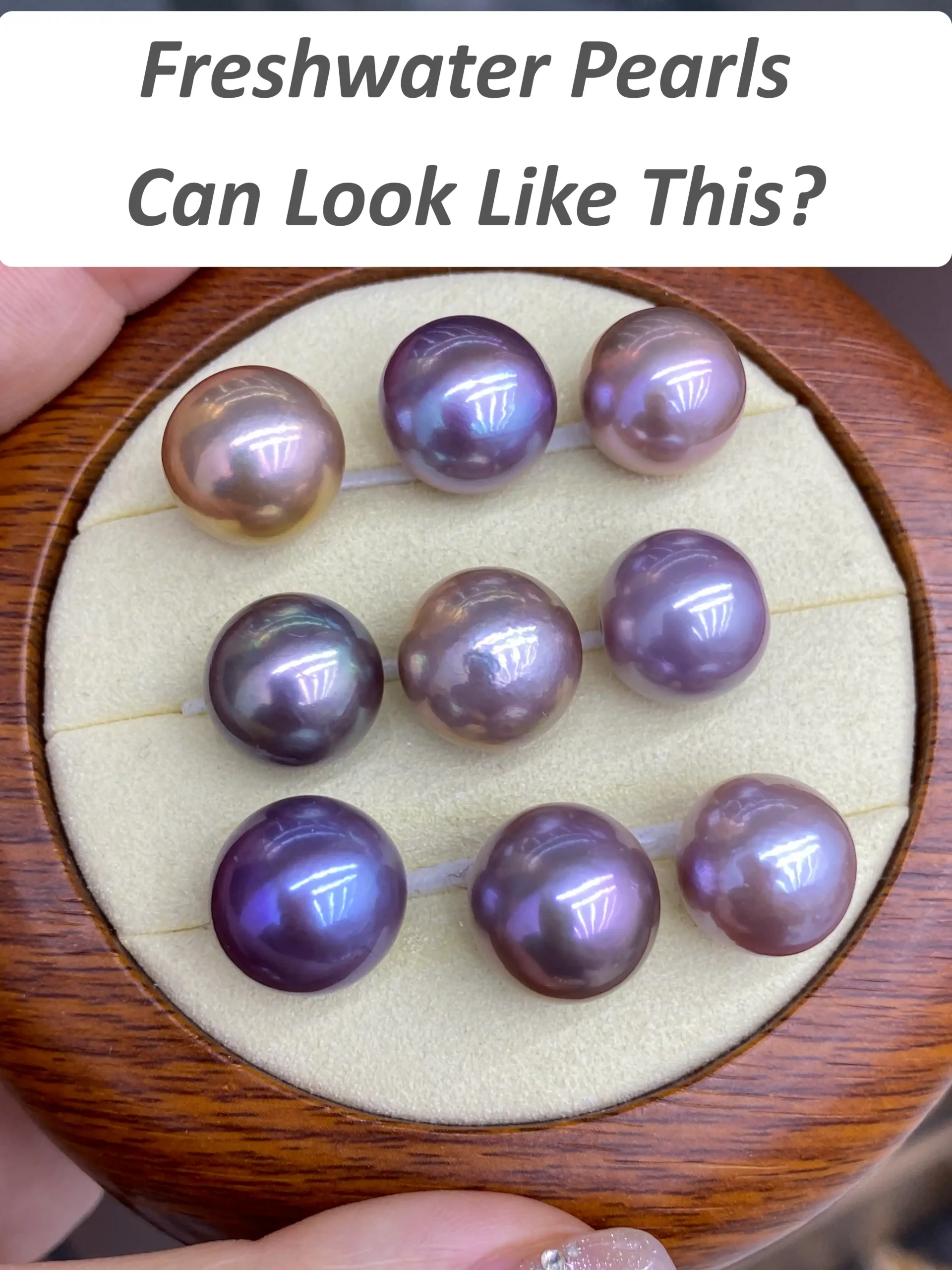
Cultivated over 3–5 years, Edison pearls are available in a remarkable range of natural colors, including white, light gold, deep purple, violet, and bronze. Their metallic luster can rival top-quality Tahitian pearls while costing only a fraction of the price—often just one-third to one-sixth as much.
Their name is a tribute to the famous remark attributed to inventor Thomas Edison:
“There are only two things I could never create in the laboratory—diamonds and pearls.”
By combining modern pearl science with decades of freshwater pearl expertise, Chinese pearl farmers created a cultured pearl worthy of carrying his name.
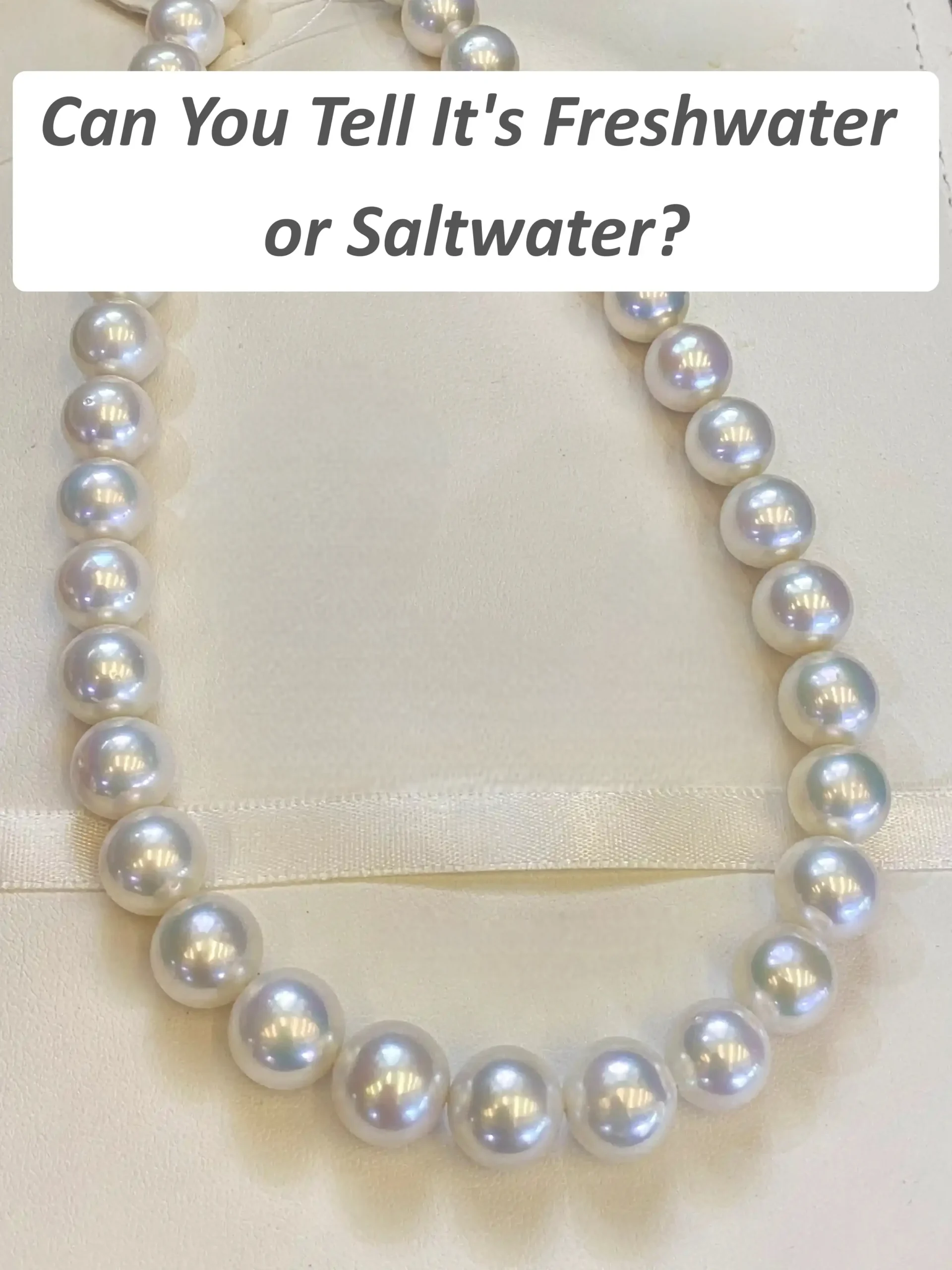
How Are Edison Pearls Different from Traditional Freshwater Pearls?
Although Edison pearls are freshwater pearls, they differ significantly from traditional freshwater pearls in their cultivation method, size, appearance, and value.
1. One Mussel, One Pearl
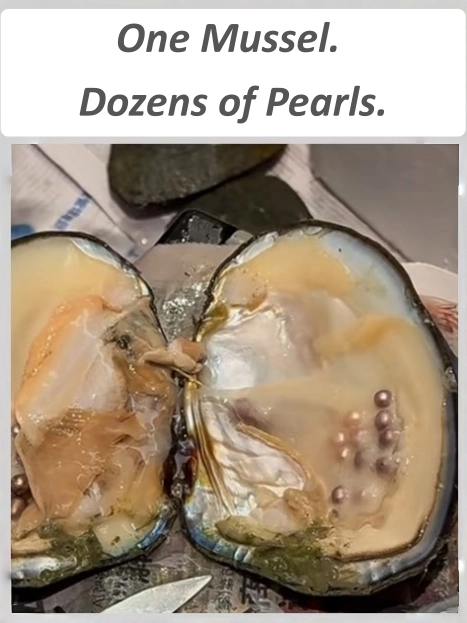
Most traditional freshwater pearls are cultivated by implanting multiple pieces of mantle tissue into a single mussel. As a result, one mussel can produce dozens of pearls at the same time.
This high yield keeps production costs relatively low, but it also limits how large each pearl can grow.
Edison pearls are cultivated differently.
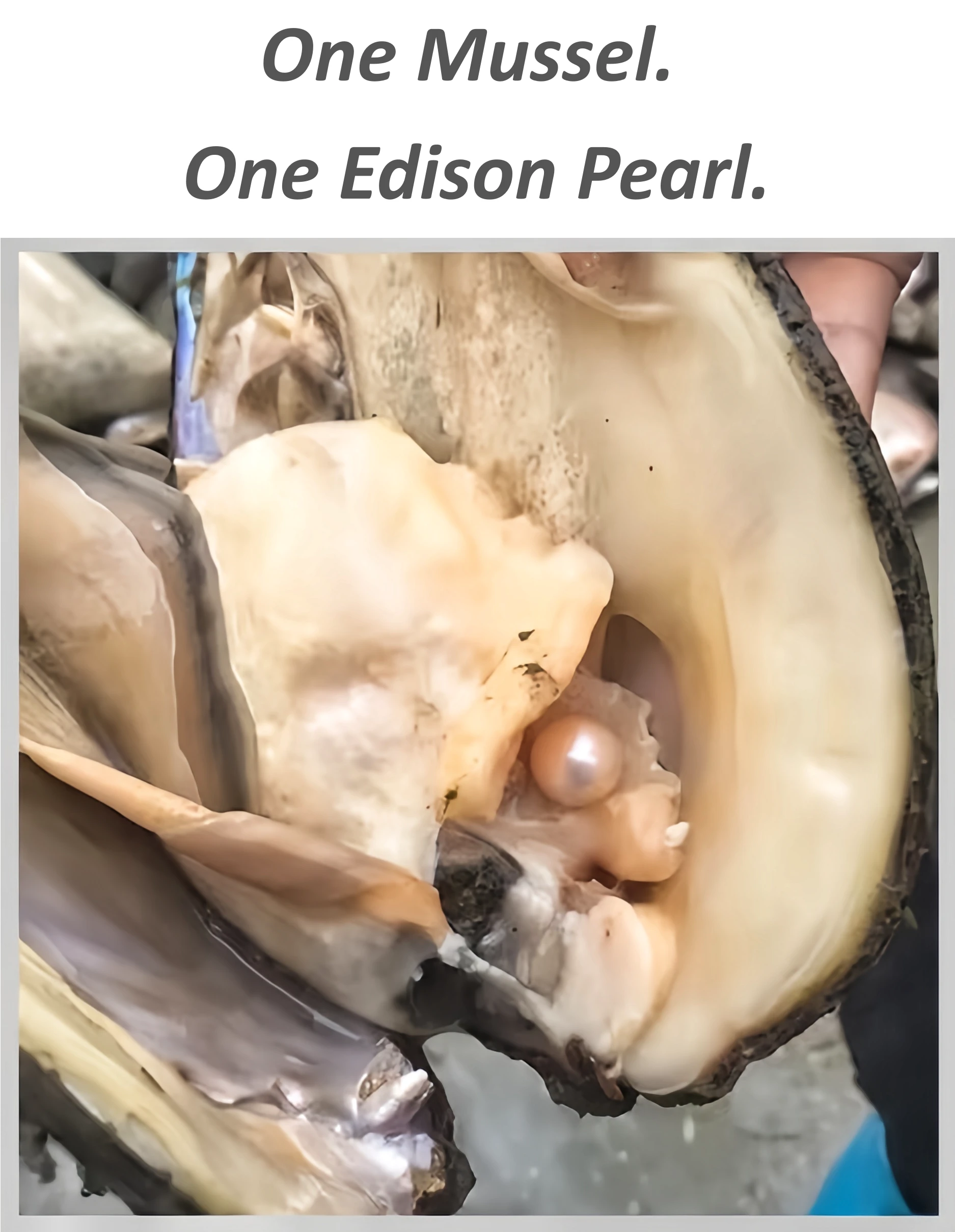
A bead nucleus is implanted into the foot tissue of the mussel (Hyriopsis cumingii), which is why Edison pearls are sometimes called “foot-cultured pearls.”
Because each foot can typically produce only one pearl at a time, the mussel directs its resources toward a single pearl, allowing it to grow much larger.
2. Larger Size, Sharper Luster, Better Roundness
Compared with ordinary freshwater pearls, Edison pearls are generally:
- Larger in size
- More likely to be near-round
- Sharper and more reflective in luster
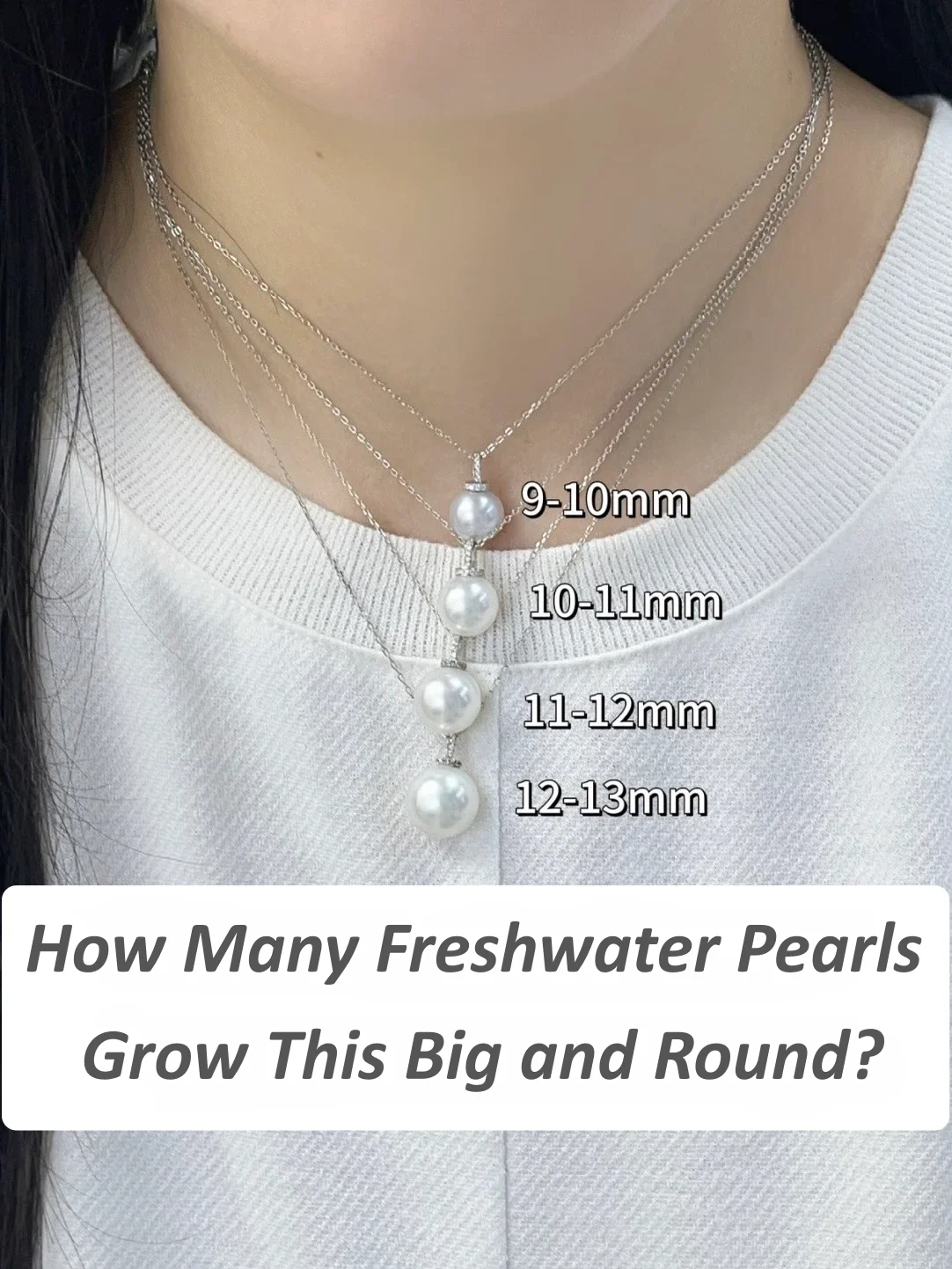
While round freshwater pearls above 10 mm are relatively rare, Edison pearls commonly reach sizes between 10–15 mm, with exceptional specimens exceeding 16 mm.
Their combination of size, roundness, and brilliance makes them highly desirable for fine jewelry and often positions them as an alternative to Australian South Sea pearls.
3. Exceptionally Thick Nacre
One of the most impressive characteristics of Edison pearls is their nacre thickness.
Traditional freshwater pearls generally require a shorter cultivation period. Edison pearls, by contrast, are typically cultivated for 3–5 years.
This extended growth period allows them to develop extraordinarily thick nacre—arguably the pinnacle of nacre thickness among freshwater pearls.
In many cases, Edison pearls have thicker nacre than Tahitian pearls and South Sea pearls, and dramatically thicker nacre than Akoya pearls, which are well known for their relatively thin nacre layers.
4. More Expensive Than Freshwater Pearls—But Still a Bargain
Because of:
- lower yield,
- larger size,
- longer cultivation time,
- and greater farming risk,
Edison pearls are usually two to three times more expensive than conventional freshwater pearls.
However, compared with saltwater pearls of similar size and quality, Edison pearls remain remarkably affordable.
In many cases, an Edison pearl of comparable appearance may cost only one-third to one-sixth as much as a similar White South Sea pearl.
Edison Pearls vs White South Sea Pearls
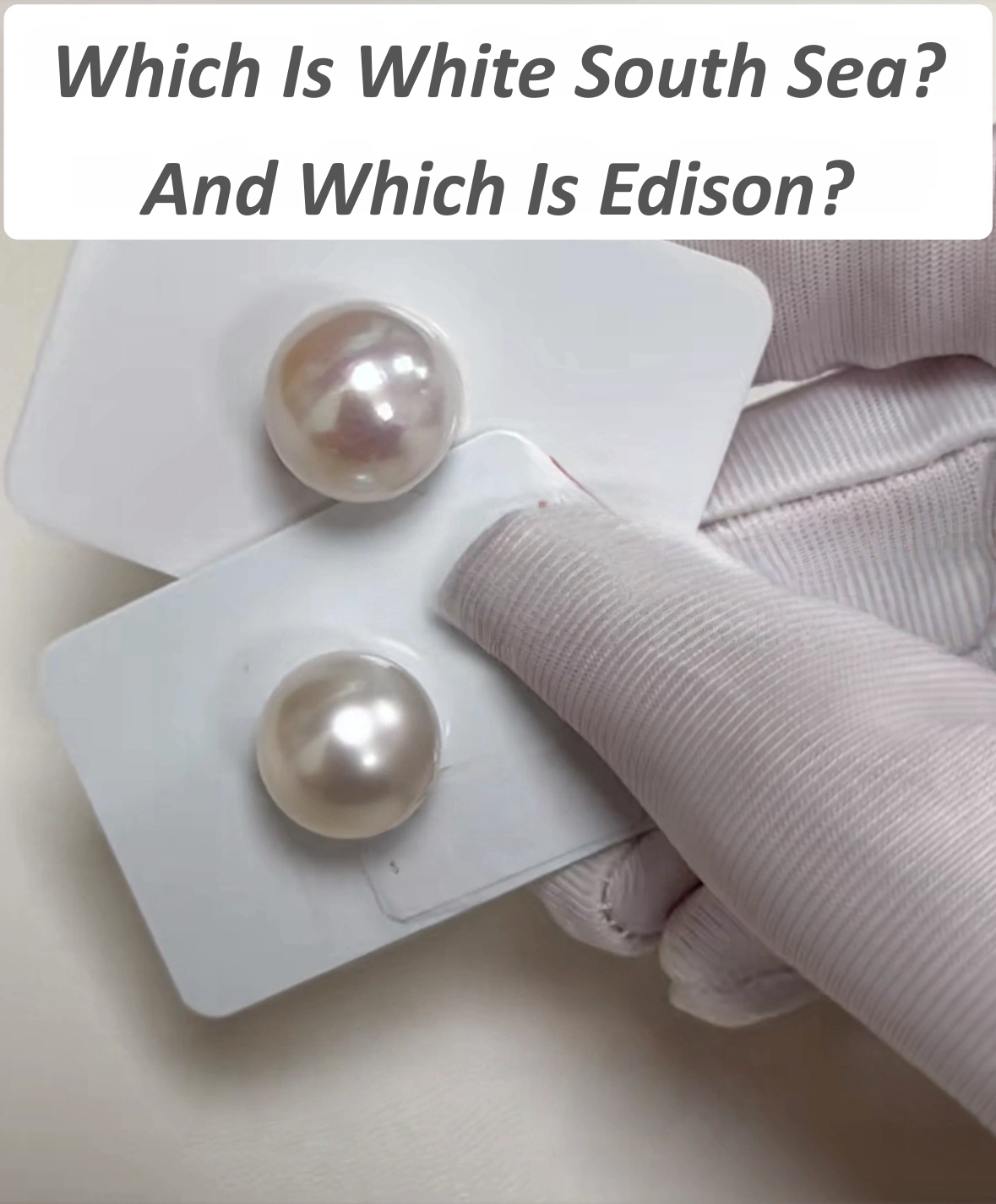
Because high-quality Edison pearls can look surprisingly similar to White South Sea pearls, many pearl lovers compare the two.
Yet they have several important differences.
1. Color Range
White South Sea pearls are famous for their silky luster and elegant silver-white body color, often accompanied by subtle pink or silver overtones.
Edison pearls, however, offer a much broader color palette.
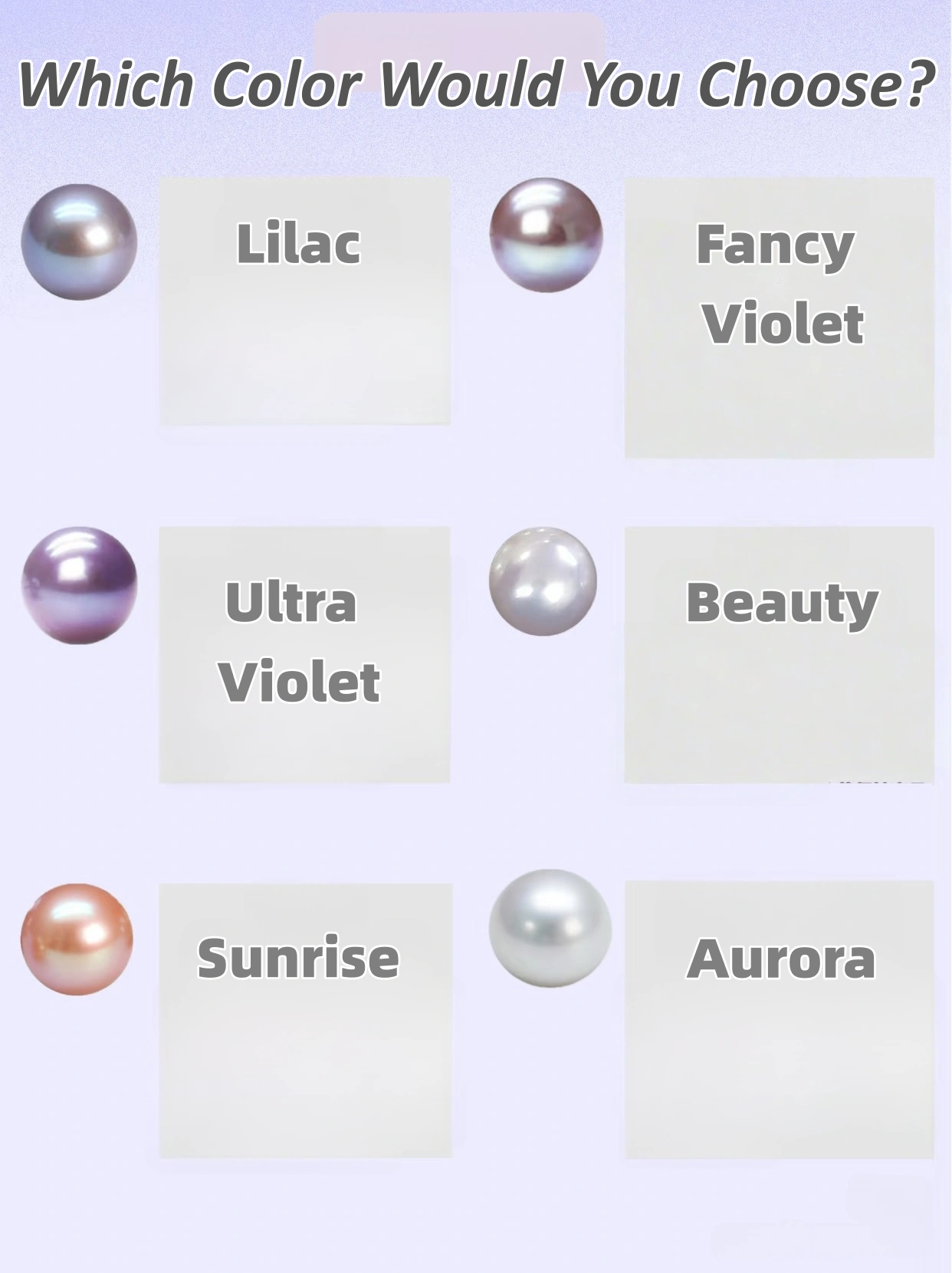
Natural Edison pearl colors include:
- White
- Light gold
- Bronze
- Lavender
- Violet
- Deep purple
- Pink-toned variations
This variety far exceeds the color range available in any single saltwater pearl species.
Stronger and More Diverse Overtones
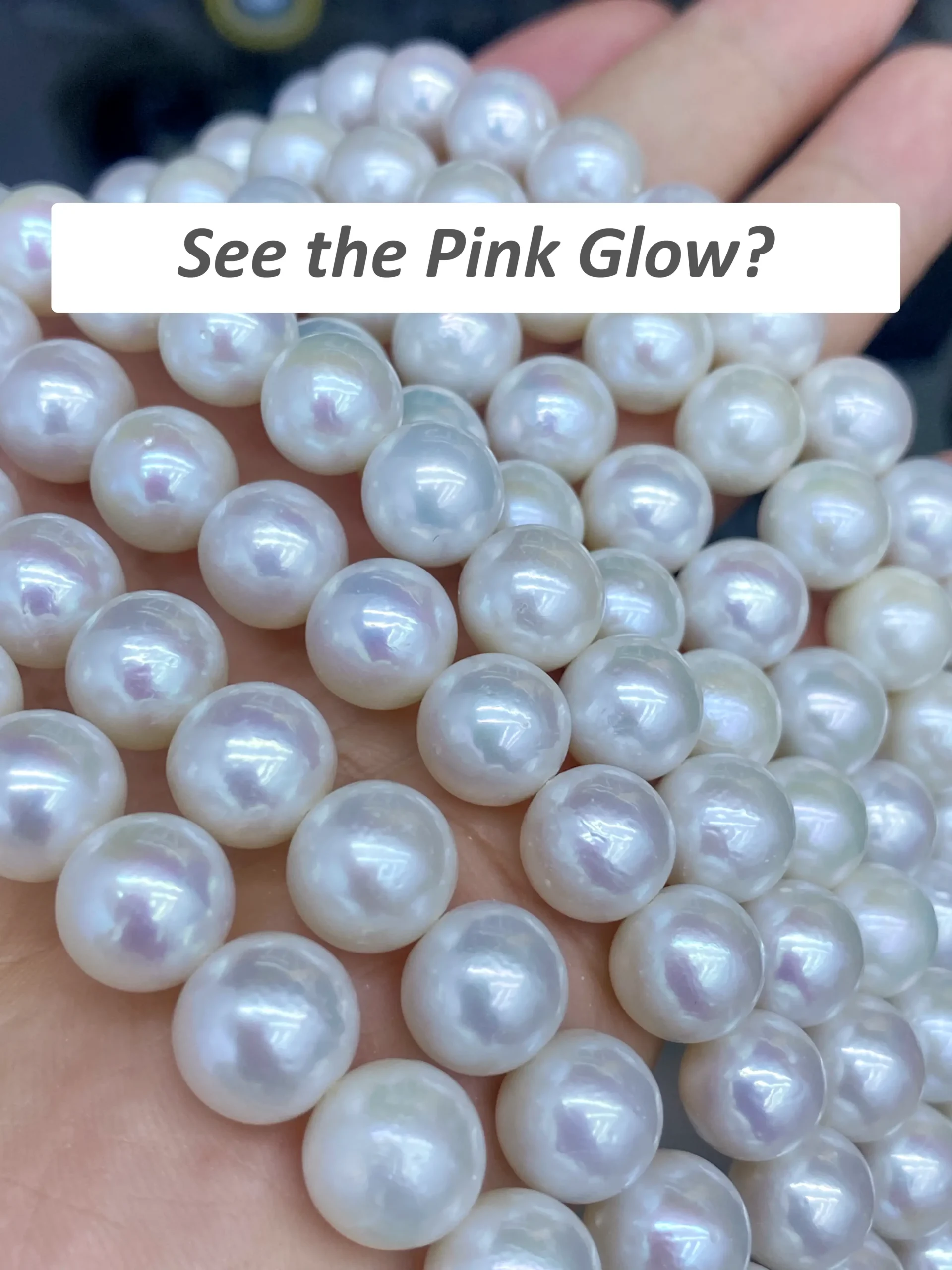
Edison pearls are also known for their vivid overtones.
The phrase “a colorful white” is often used among pearl enthusiasts to describe high-quality white Edison pearls.
A single white Edison pearl may simultaneously display pink, purple, green, and blue iridescence depending on lighting conditions.
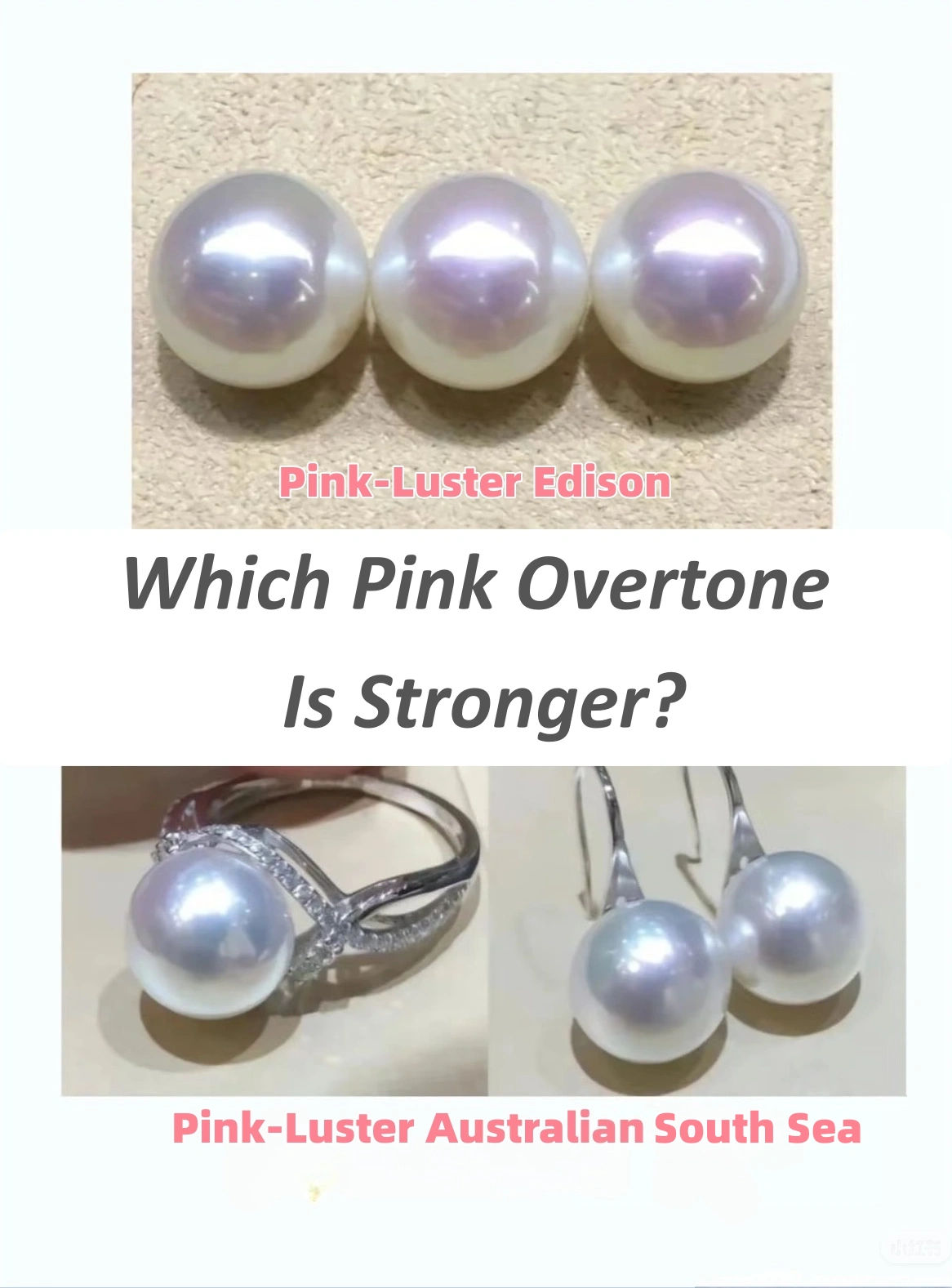
When comparing pink-overtoned pearls side by side, the pink overtone on an Edison pearl is often noticeably stronger and more vibrant than that of an Australian South Sea pearl.
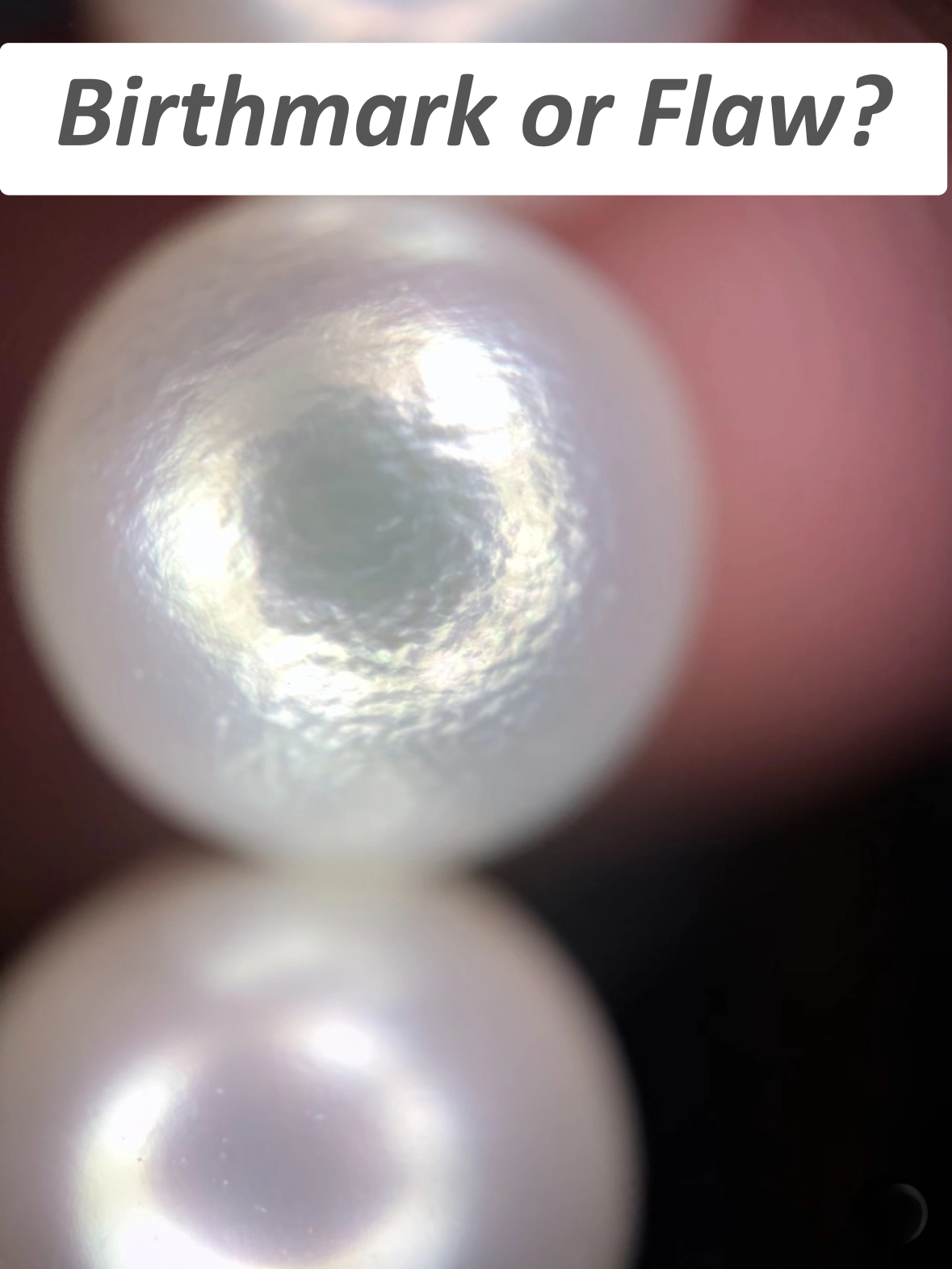
2. Unique Surface Texture
One of the easiest ways to distinguish Edison pearls from White South Sea pearls is by their surface texture.
White South Sea pearls are cultivated in calm offshore marine environments. Because of these relatively stable growing conditions, their surfaces are often extremely smooth and clean.
Edison pearls grow in freshwater lakes, rivers, and ponds.
Their environment is far more dynamic. Changes in water movement, weather, and seasonal conditions can leave subtle growth marks on the pearl’s surface.
These natural surface textures are often considered the pearl’s “birthmarks”—visible evidence of the environment in which it was formed.
Rather than flaws, they are part of what gives Edison pearls their distinctive character and identity.
Can An Edison Pearl Be Mistaken for An White South Sea Pearl?
Absolutely.
High-quality Edison pearls can be so beautiful—and so visually similar to White South Sea pearls—that some sellers intentionally market them as Australian South Sea pearls and charge significantly higher prices.
Understanding the differences discussed above, especially:
- color range,
- overtone characteristics,
- and surface texture,
can help you distinguish Edison freshwater pearls from White saltwater pearls and make a more informed purchase.
Are Edison Pearls Just a Substitute for White South Sea Pearls?
Many people first discover Edison pearls because they are searching for a more affordable alternative to White South Sea pearls.
But personally, I think that view undersells what Edison pearls truly are.
Yes, they share many of the qualities people admire in White South Sea pearls: large size, impressive luster, and round shapes.
But Edison pearls also possess strengths that are entirely their own.
No saltwater pearl species offers such a wide spectrum of colors combined with such large sizes and such exceptional value.
As more pearl lovers become familiar with them, Edison pearls may gradually move beyond the role of a “substitute.”
Their unique beauty, rich colors, and remarkable story of innovation may well make them a first choice in their own right.
Learn More about Saltwater vs Freshwater Pearls & the Rise of Edison Pearl
Understand Cultured & Freshwater Pearls: The Truth About Natural vs Farmed Pearls
Discover Edison Pearl Jewelry: