
“Do pearls change color over time?”
Yes — and that does not automatically mean your pearls were dyed.
Dyed pearls can absolutely fade with time, especially when the artificial surface color gradually wears away and exposes the white nacre underneath. If you’ve read our previous guides on dyed pearls, coated pearls, irradiated pearls, or toned pearls, you already know that many pearl color treatments only affect the outer layers of the pearl.
What Colors Are Pearls? Natural Pearl Colors Explained
Pearl Color Treatments: 5 Ways Pearl Colors Are Enhanced
Dyed Pearls: How to Tell If Pearls Are Dyed?
Coated Pearls & Dyed-Coated Pearls: Identification Guide
Irradiated Pearls vs Natural Grey Pearls: How to Tell the Difference
Pearl Toning Explained: The Secret Behind Pink Akoya Pearls
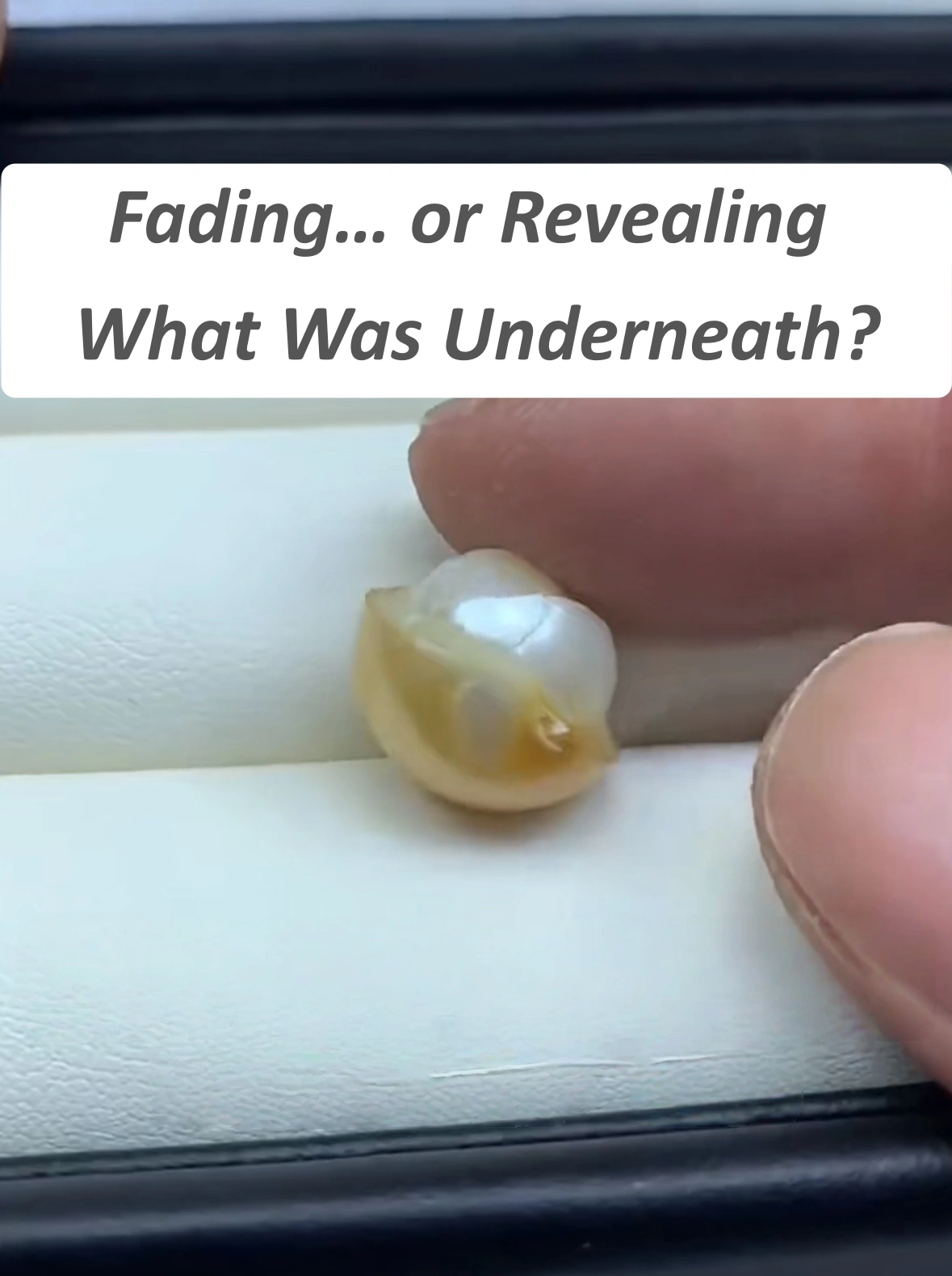
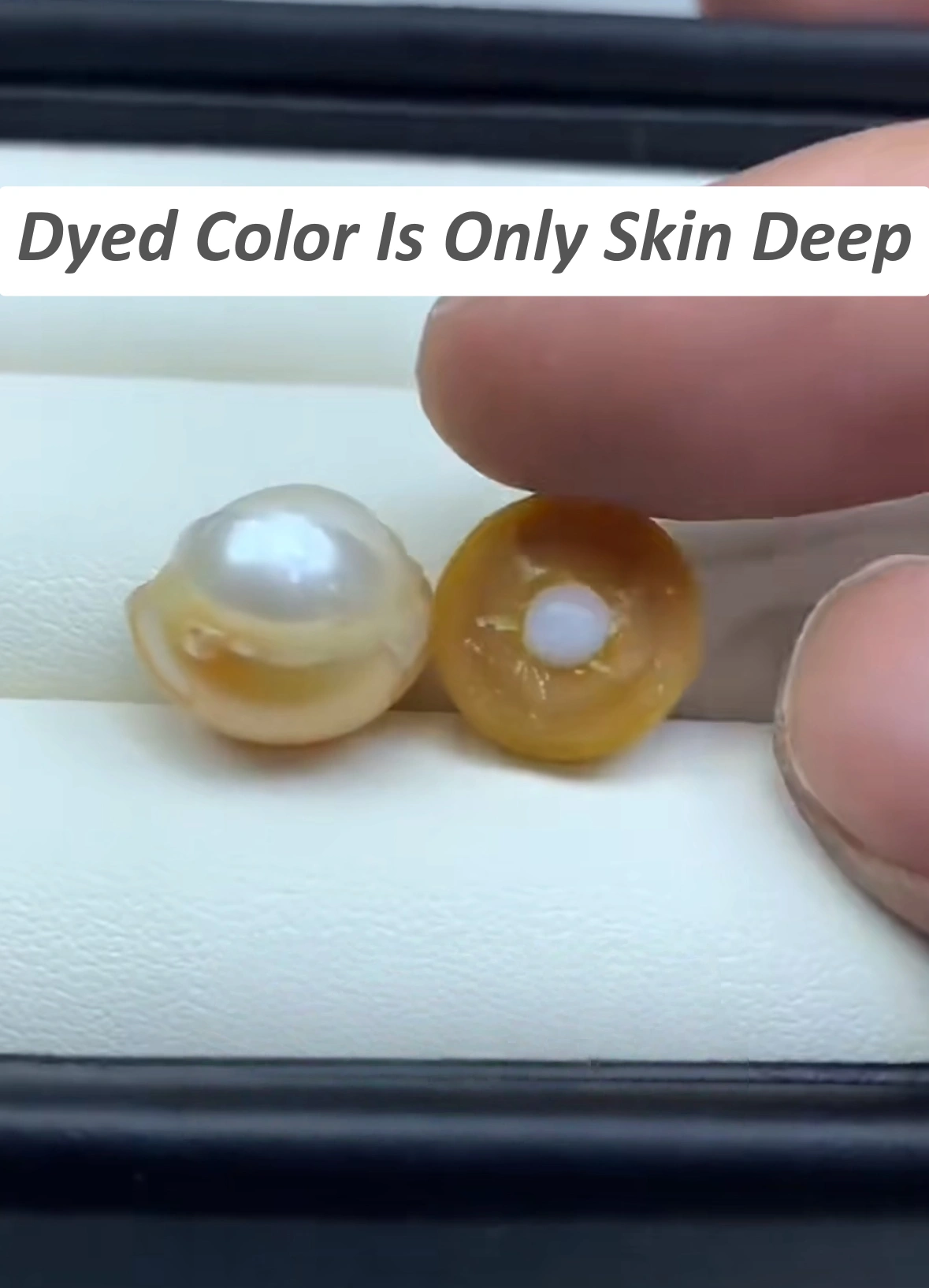
As shown above, the light gold pearl on the left is dyed: its outer color layer differs from the nacre beneath. Over time, the artificial gold tone may fade, exposing the white nacre underneath. In contrast, the natural deep golden South Sea pearl on the right shows consistent coloration throughout the nacre layers, making its color generally more stable over time.
But do natural pearls change color?
Yes. Pearls are organic gems. Their natural pigments may gradually react to sunlight, chemicals, humidity, heat, and environmental conditions. Colored pearls therefore require proper care to preserve both their color and luster.
In this article, we’ll focus specifically on how natural pearl colors change over time.
Generally, these changes happen in two ways.
1. How Does Body Color Change Over Time?
The first type of change is when a pearl’s body color or overtone becomes lighter, duller, more yellow, more brown, or simply less vivid over time. This process may happen slowly over several years.
Importantly, the natural color itself usually remains present — but its intensity and tone may shift.
For example, studies and laboratory observations (including those by GIA) have shown that untreated natural purple pearls may gradually transition from deep purple to softer lavender or purplish-brown tones over time.
This kind of transformation does not necessarily mean the pearl has lost its luster. If properly cared for, a once-vivid pearl may simply evolve into a softer, more muted beauty while remaining highly lustrous and elegant. Many collectors actually view this gradual transformation as part of a pearl’s life story. This is a perfect example of how do pearls change color as they age gracefully.
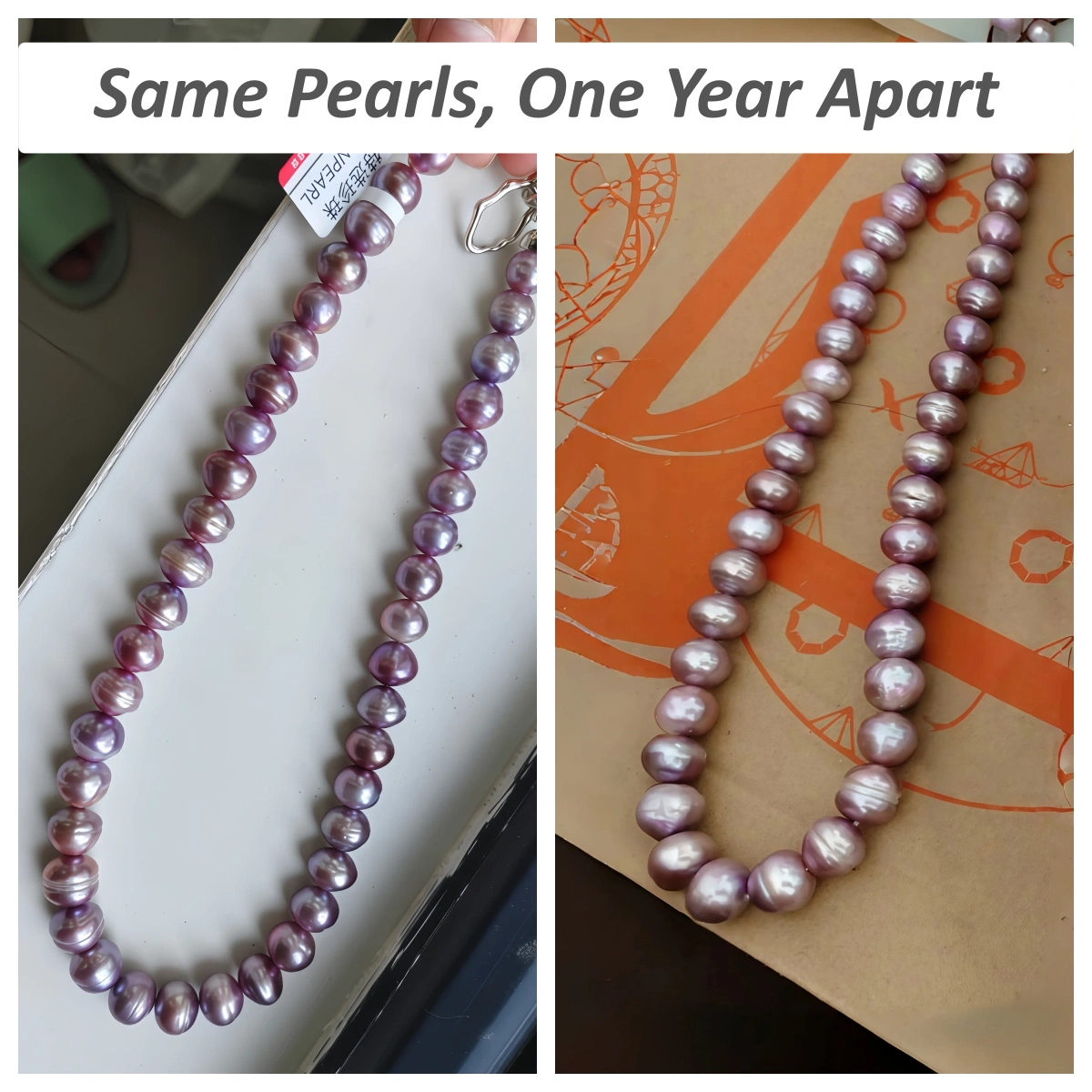
2. The Pearl Loses Luster and Looks Less Colorful
The second type of change is the gradual loss of luster.
As nacre becomes less reflective, the pearl reflects less colorful light and appears greyer, duller, or less vibrant. In many cases, this makes the pearl look faded even if the underlying body color has not changed dramatically.
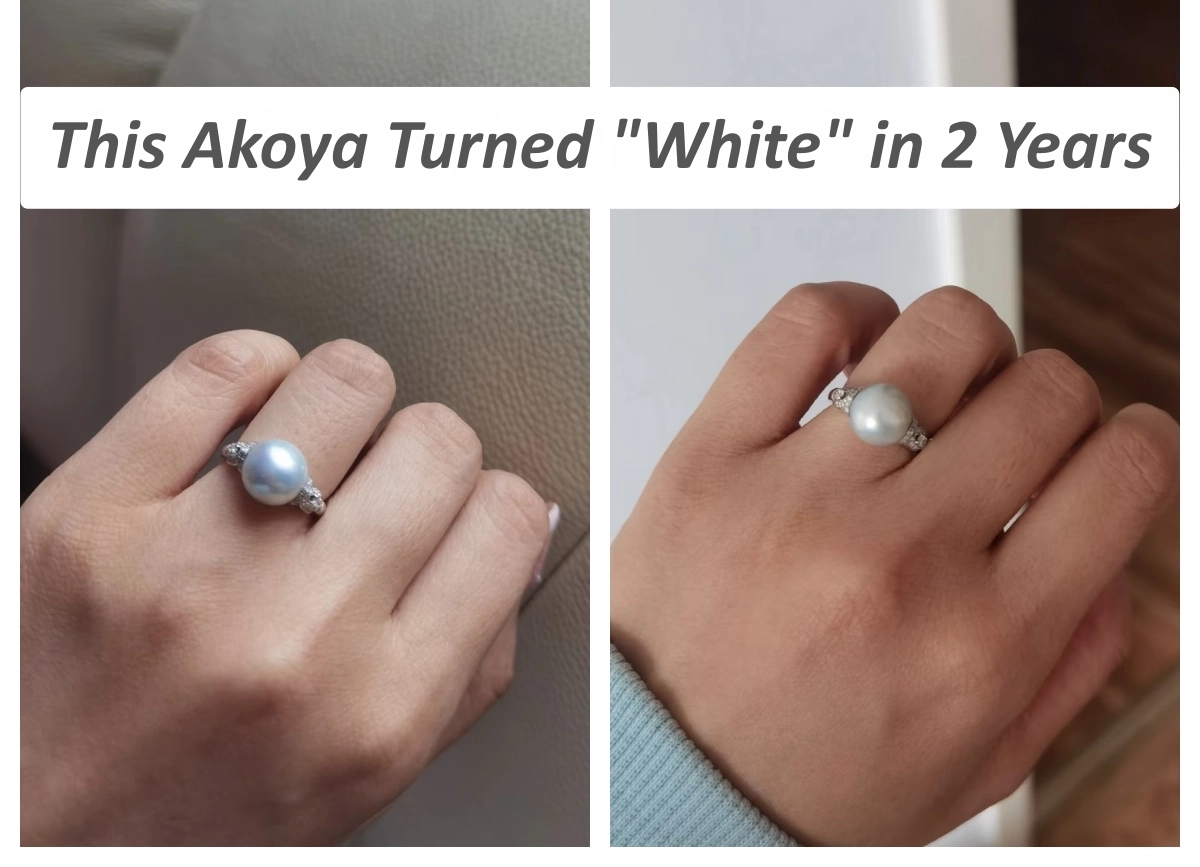
This is especially common in pearls with thinner nacre, such as famous Akoya pearls.
That is why nacre thickness is always one of the key factors Raffie Pearls recommends considering when buying pearls. Assuming similar nacre density, thicker nacre generally means better long-term luster retention and longer wearable life.
This is also one reason why all-nacre, non-beaded pearls are highly valued for durability.
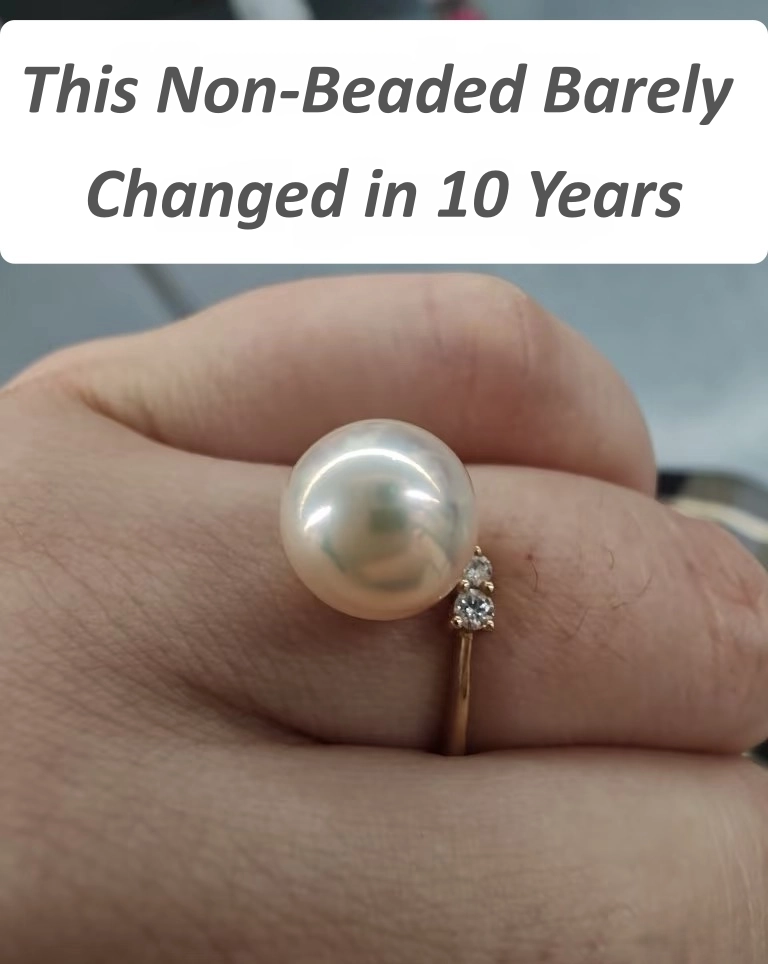
In reality, what many people casually call “fading” is often a combination of both effects happening together:
- the color becoming softer, and
- the luster becoming weaker.
When both occur at the same time, pearls can appear to change very quickly from bright and vivid to muted and subdued.
This is why:
- Akoya pearls may lose some of their pink or blue-gray overtone and become warmer or yellower,
- Tahitian pearls may slowly shift from vibrant rainbow overtones into browner tones,
- and purple freshwater pearls may gradually become softer and less vivid.
This is simply part of the life journey of natural organic gems. Yet throughout that journey, they retain a unique elegance impossible to fully replicate.
What Kind of Pearls Does Raffie Pearls Use?
Every pearl used in our jewelry is free from dyeing, coating, irradiation, and toning treatments.
Whenever possible, we prioritize pearls with metallic luster, and many colored pearls are stored for around one year before being sold in order to ensure relatively stable color performance.
We also do not believe customers should pay excessive premiums for unstable color rarity — especially for pearls such as Akoya pearls or purple Edison pearls.
To keep our jewelry accessible, some pearls may contain small natural marks on the sides or back. We hope pearl lovers can embrace these natural traces in exchange for rare natural beauty.
Metallic Luster and Our Selection Standards
Although there is still limited scientific research on this topic, many experienced pearl farmers believe that naturally metallic-luster pearls tend to have the most stable colors over time because the pigments appear more tightly integrated with the nacre structure.
These pearls are also among the most valuable colored pearls on today’s market.
That is why we prioritize rare metallic-luster pearls whenever possible.
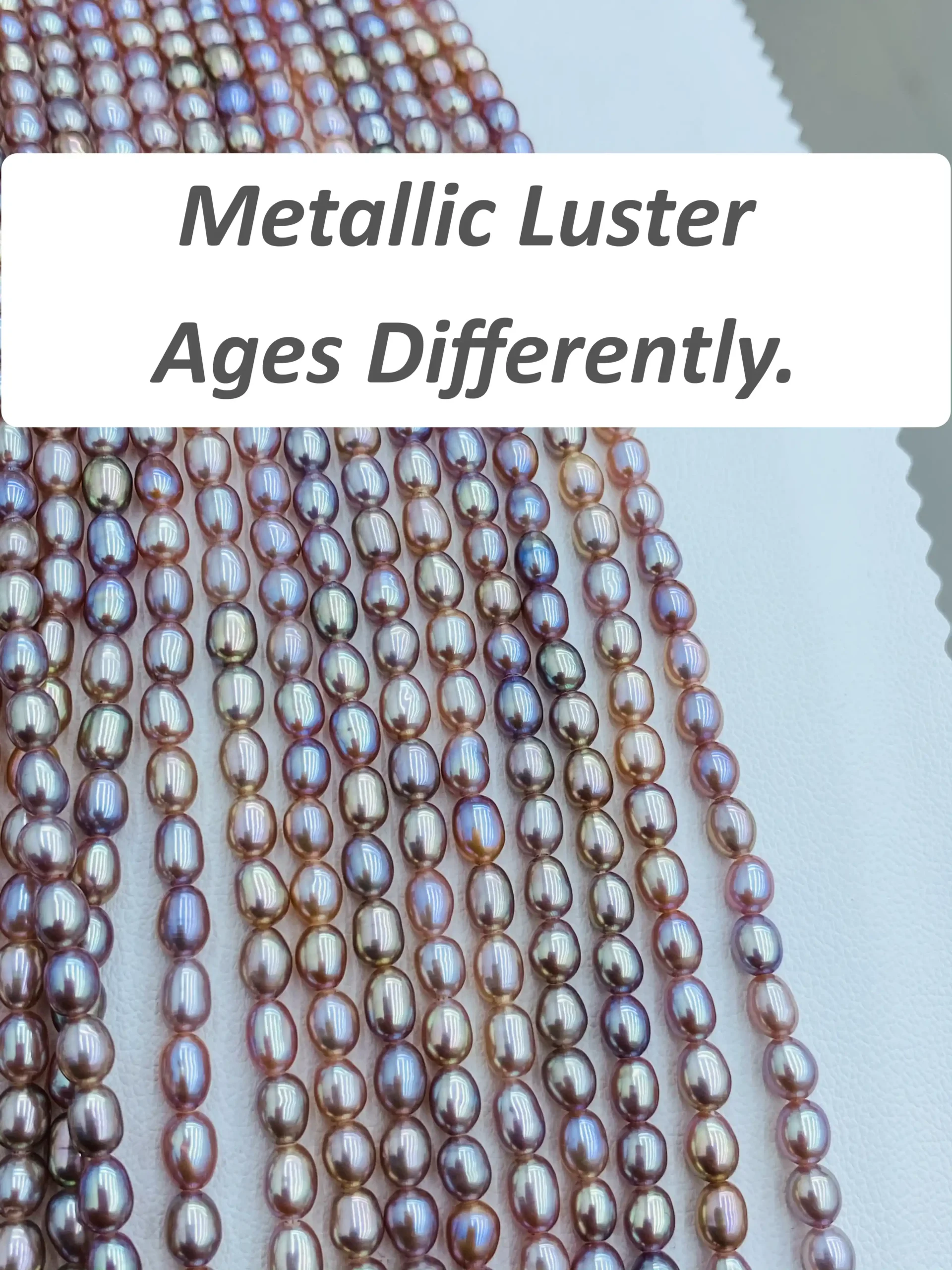
To maintain accessible pricing, some pearls may still feature small natural blemishes on the sides or back. We believe these are worth accepting in exchange for rare and relatively stable natural beauty.
Stabilization Period: Pearls That Have Already “Settled”
Pearl experts often point out that the first several months after harvest are the most active stage for color change.
For that reason, all natural colored pearls used in our jewelry go through a storage stabilization period of at least one year before setting.
Only pearls with relatively stable color performance are selected for our designs.
We hope this process minimizes the possibility of noticeable color shifts after the pearls reach your hands.
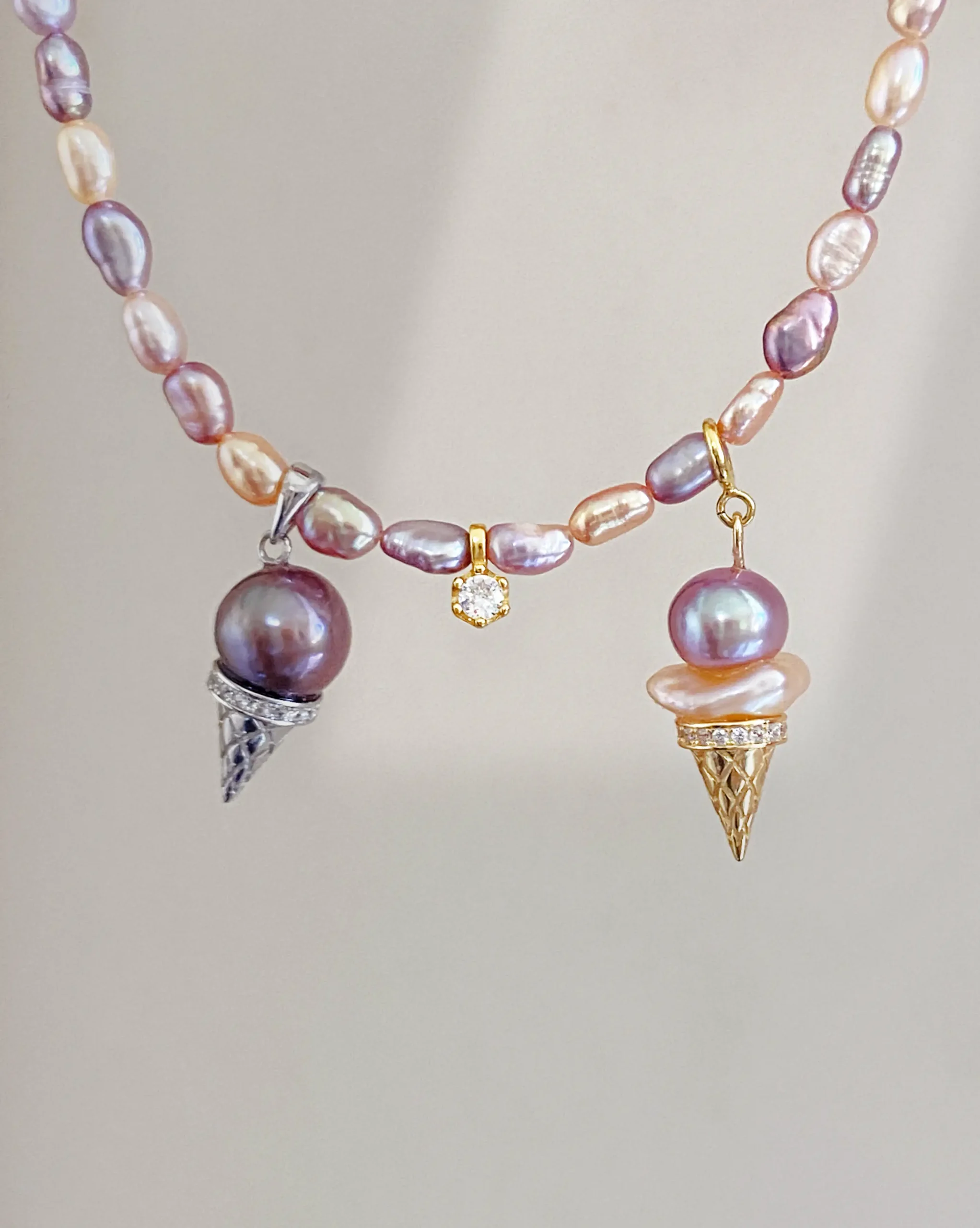
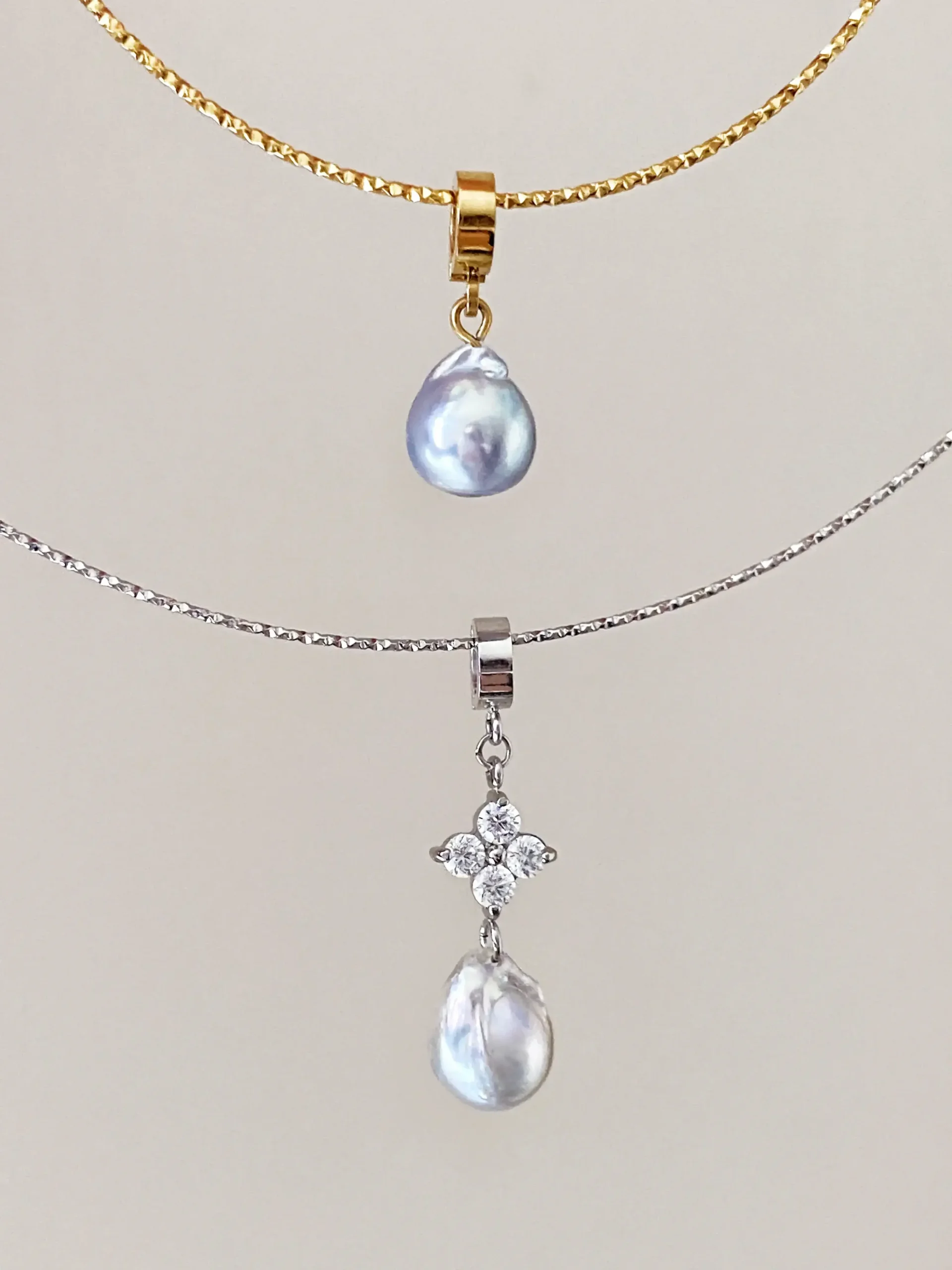
Explore Our Natural -Colored Pearls Collection.


How to Care for Colored Pearls
We believe transparent communication helps customers build realistic expectations.
At the same time, we also want to reassure you: whether vivid or softly aged, colored pearls possess a unique beauty that classic white pearls cannot fully replace.
To help preserve their beauty for as long as possible:
- Avoid prolonged direct sunlight
- Keep pearls away from heat and humidity, and minimize water exposure
- Wear them regularly — natural skin oils may help maintain luster, but avoid cosmetics and chemicals
- Store them carefully — gently wipe pearls with a soft cloth before storing them away from light
Hopefully, now that you understand these nuances, if someone asks you “do pearls change color?”, you can confidently answer: “Yes, but I love every stage of its life.”
If you love colorful pearls but cannot accept natural fading, modern treated pearls may also be an option.
Some advanced treatments — especially irradiation and toning — can alter pearl color almost permanently, sometimes even more durably than untreated pearls.
However, treated pearls often lack the uniqueness and lively overtone of natural-color pearls. So whether to choose treated or untreated colored pearls is ultimately a matter of personal values rather than absolute right or wrong.
So — can you accept pearls slowly aging over time?
Or would you rather choose treated colored pearls with more stable color?